
Who Needs to Be Present to Sign Documents at Closing?
Preparing Your Settlement Roster
By AtoZ Title & Settlement Team
The final stretch of a real estate transaction is a big moment. Months of searching, negotiating, and underwriting all come down to a single stack of paper. When closing day arrives, having the right people at the table, whether in person or virtually, is what keeps everything moving smoothly. A single missing signature can delay funding and put contractual deadlines at risk.
As your trusted partner for real estate closings, AtoZ Title & Settlement acts as your neutral third-party fiduciary, coordinating every moving part so nothing falls through the cracks. Whether you’re looking for a settlement company you can count on or preparing for a more complex multi-party transaction, who needs to sign depends on legal ownership, financing, and state-specific rules.
Here’s a clear guide to who must show up, who’s optional, and how to prepare for the signing table.
The Non-Negotiable Signers
These are the people who must sign the core legal documents (the deed, the deed of trust or mortgage, and the closing disclosure) to formalize the transfer of ownership and debt.
1. All Buyers and Borrowers Listed on the Loan Documents
Anyone whose name appears on the mortgage note or the property title needs to be present to sign.
2. All Current Property Owners (The Sellers)
To convey a clean, unencumbered title, every individual with a current legal interest in the property must sign the deed. Our team conducts a thorough title search to uncover liens, unpaid taxes, or judgments well before these signatures are ever needed.
3. Spouses (Even If Not on the Loan or Title)
One of the most common causes of closing day delays is discovering, at the last minute, that a non-borrowing spouse needs to sign. This is often dictated by state law: marital rights, homestead protections, or dower/curtesy rights can all come into play.
The Crucial Facilitators
These parties won’t sign the core title transfer or loan documents, but their presence helps keep the transaction compliant and moving.
1. The Settlement Agent or Title Closing Officer
This is where AtoZ Title & Settlement comes in. Our closing officers manage the room, verifying IDs, walking through settlement statements, and making sure everything is properly executed. We also manage secure escrow services to safely hold and disburse earnest money, down payments, and loan funds, so buyers, sellers, and lenders can move forward with confidence. And because every file is paired with a dedicated processor, you always have one point of contact who knows your transaction inside and out.
2. Real Estate Agents (Highly Recommended)
An agent’s signature is rarely required on the final documents, but having them in the room is genuinely valuable. They’re there to confirm that final walk-through items or repair credits are accurately reflected, and to help resolve any last-minute questions about keys or occupancy.
The Remote Alternative: What If You Can’t Be There?
Life happens. Travel, deployment, scheduling conflicts. If a key signer can’t make it to the closing room in person, there are still ways to keep things on track:
What About the Financials?
Preparing your settlement roster also means preparing your closing funds. A question we hear often: what will the final numbers actually look like?
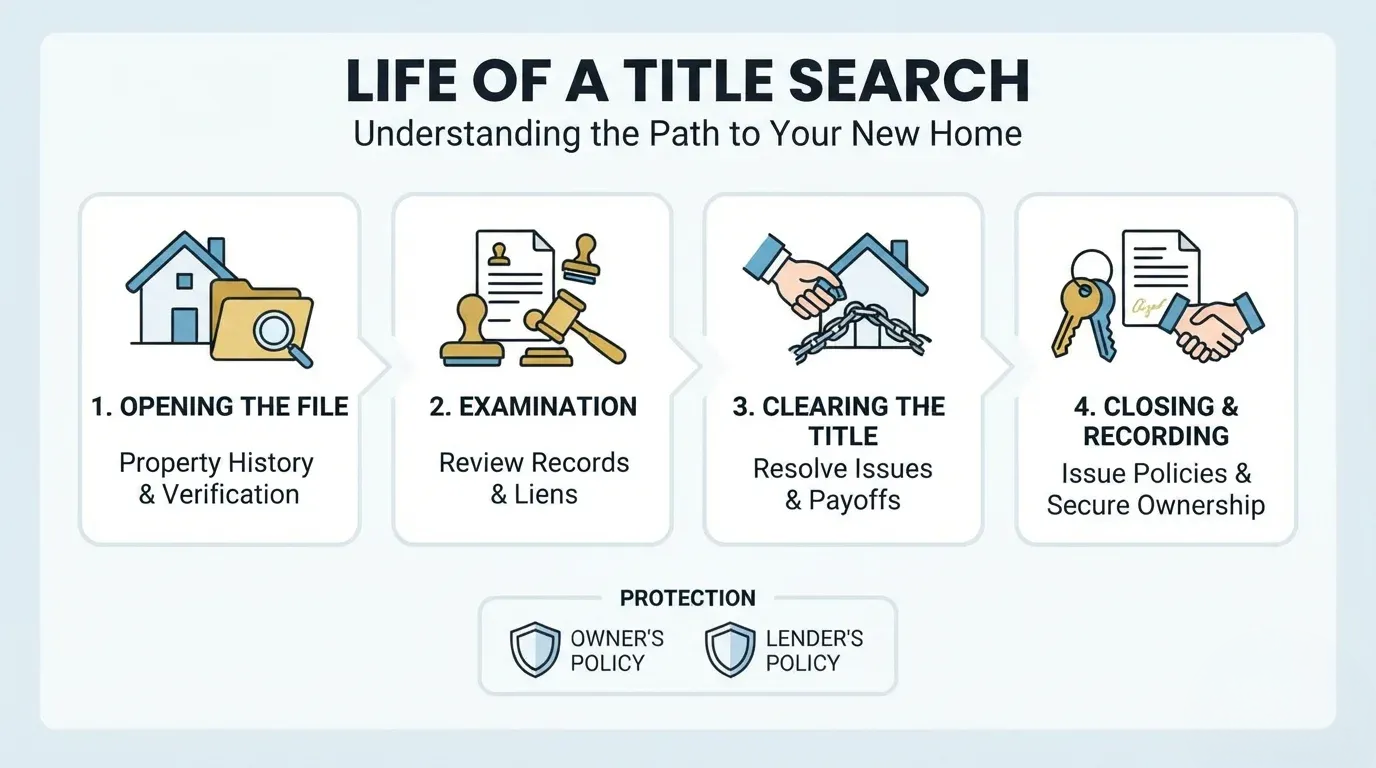
Title insurance premiums are typically based on your home’s purchase price and vary by state. AtoZ Title & Settlement believes in transparent, straightforward fee structures, so you’ll see competitive rates on both your Owner’s and Lender’s policies clearly laid out well before closing day. A title insurance policy protects your investment against future ownership disputes, hidden heirs, or recording errors, long after you’ve left the closing table, giving you real peace of mind that lasts.
A note on funds: all wire instructions for your transaction are shared securely through Qualia, our closing platform. We’ll never ask you to verify wire details over the phone, and we encourage you to always confirm instructions through Qualia directly.
Your Settlement Day Checklist
To make sure your roster is ready and nothing causes a delay, review this checklist about 48 hours before your scheduled closing:
A smooth closing comes down to proactive communication. Clarify your settlement roster early, and closing day becomes what it should be: a milestone worth celebrating, not a scramble for missing signatures.
Have questions about your upcoming closing? Reach out to your local AtoZ Title & Settlement team.We’re here to make the process feel as easy as it should be.